📋 Table of Contents
📌 Read in :
 Français (French)
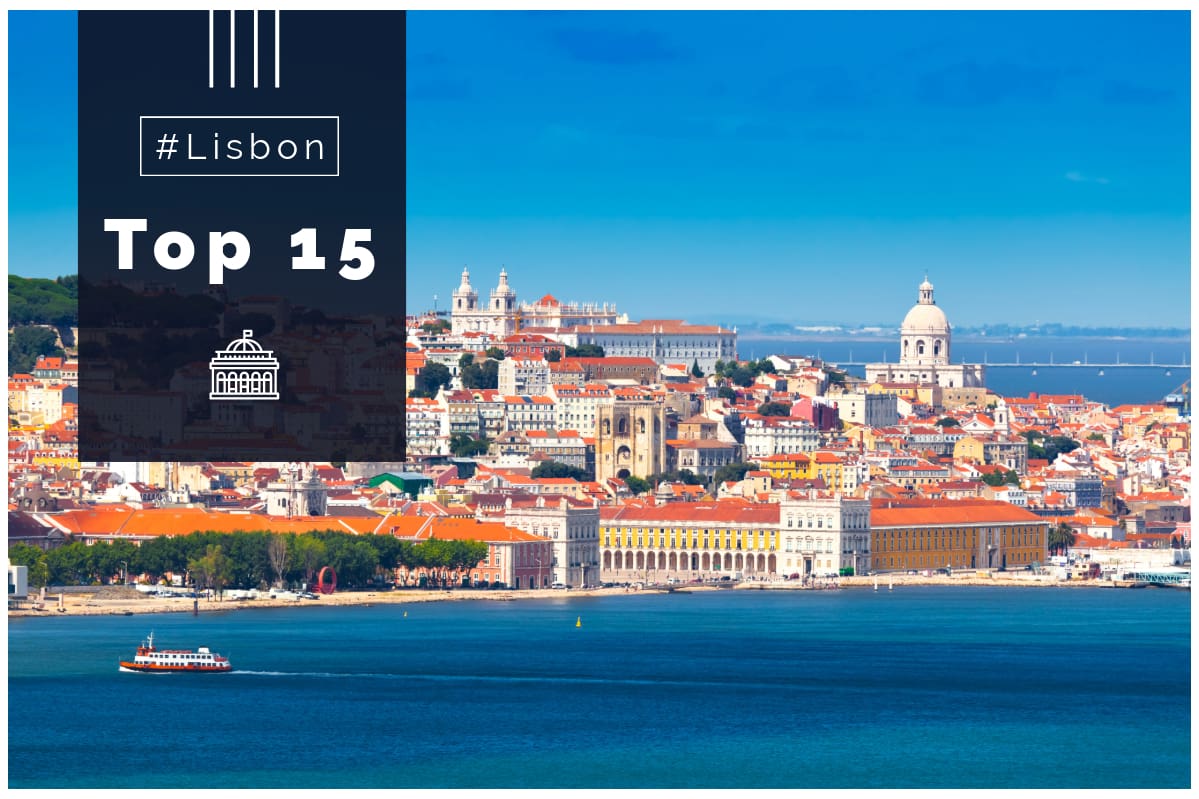
Today, let’s head to the capital of Portugal, a destination that, judging by the visitor numbers, continues to enchant tourists from around the globe. There’s much to be captivated by! Positioned at the mouth of the River Tagus and spread across seven hills, Lisbon boasts a variety of urban landscapes, from historic districts with cobbled streets to modern, vibrant areas. The city has been shaped by various civilizations, from the Romans to the Moors, leaving behind a unique cultural and architectural heritage in Europe. It’s also a city of pleasure: the joy of taste, with its many restaurants offering authentic Portuguese cuisine, and the joy of senses, through its various museums and a nightlife that rivals other European capitals. Let’s set off. Here’s what you should do in Lisbon for a short getaway.
⚡ Lisbon or Porto? Ah, still undecided before starting this read? Then, check out our comparison.
🗒️ Getting around, hotels: the questions you’re likely wondering about Lisbon
Before diving into what to do in Lisbon, let’s address some common traveler queries.
How to get around Lisbon?
While much of the city can be explored on foot (but be warned, it’s hilly!), public transport can save you valuable time.
- Trams: Lisbon is famously known for its traditional yellow trams. The most iconic is Tram 28, which passes through historic districts like Alfama, Baixa, and Bairro Alto. It serves both as a practical mode of transport and a popular tourist attraction.
- Metro: Lisbon’s metro system is modern, clean, and efficient. It features four lines (blue, yellow, green, and red) covering most of the city, particularly useful for longer distances.
- Buses: An extensive bus network serves Lisbon, including areas not accessible by tram or metro. It’s a good option for specific destinations or peripheral zones.
- Taxis and ride-hailing: Taxis are a convenient, though more expensive option. Ride-hailing apps like Uber and Bolt also work well in the city. If you’re wondering about tipping, read our article.
What culinary specialties should you try in Lisbon?
In Lisbon, a must-try culinary delight is the Pasteis de Nata, a traditional Portuguese pastry. This tart consists of a crispy puff pastry filled with a rich, creamy custard, often sprinkled with cinnamon or powdered sugar. The Pasteis (or Pastel) de Nata is especially renowned in Belém, a Lisbon district, where this treat is made according to a secret, ancient recipe.
You’ll also find all of Portugal’s specialties here. Try the Bacalhau à Brás, a traditional dish of shredded cod mixed with scrambled eggs and straw potatoes, or the famous Francesinha: though originating from Porto, this sandwich is popular nationwide. It’s made with bread, various types of meat, covered in melted cheese, and smothered in a spicy tomato sauce.
Are there any beaches near Lisbon?
Indeed! Close to Lisbon, visitors can enjoy several stunning beaches, reachable with a short trip from the city center. The most famous are probably the beaches of Cascais, a charming coastal town southwest of the Portuguese capital. For those seeking wider and less crowded beaches, Costa da Caparica, located across the 25th of April Bridge, is an excellent choice. It stretches for several kilometers along the Atlantic coast, attracting both surfers and families.
Which hotel to choose in Lisbon?
Well, that’s a matter of taste and selection, as the options are plentiful. Here are three: first, the Memmo Alfama, located in the historic Alfama district, is known for its contemporary design and a terrace with breathtaking views of the city and the Tagus.
Next, the Tivoli Avenida Liberdade, situated on the city’s most emblematic avenue, is famed for its classic luxury and exceptional service. With its rooftop offering spectacular views of Lisbon and its lush garden, this hotel is a peaceful haven in the heart of the city.
Lastly, the Myriad by SANA Hotels, a luxury and technology blend, located at Parque das Nações, stands out with its bold architecture and rooms offering panoramic views of the Tagus.
Of course, there’s much more to explore. Here’s a map 👇
Booking.com🔝 The 15 essential things to do in Lisbon
Now, let’s get to the heart of our topic, what you absolutely must do in Lisbon during your trip.
Visit the Belém district including the Jeronimos Monastery
Located west of the city center, Belém is renowned for its collection of monuments and museums that bear witness to the Portuguese Age of Discovery. The Jerónimos Monastery, a masterpiece of Manueline architecture, is a must-see with its elaborate cloister and the tomb of Vasco da Gama. Nearby, the Belém Tower, another symbol of the era of exploration, stands proudly at the mouth of the Tagus River. The district also houses the Monument to the Discoveries, a striking sculpture celebrating Portuguese navigators.
Visitors can also explore the Maritime Museum, which traces Portugal’s maritime history. Finally, a visit to Belém wouldn’t be complete without tasting the famous Pastéis de Belém, a local version of pastéis de nata, served warm at the bakery that made them famous.

Taste Pastéis de Belém
The Pastéis de Belém are a true icon of Lisbon’s gastronomy. These small, crispy on the outside and creamy on the inside cream tarts are a specialty of the Belém district in Lisbon. The original recipe, a well-guarded secret, was created by monks at the Jerónimos Monastery in the early 19th century. Today, these delights are synonymous with Portuguese culinary tradition and draw both locals and tourists to the famous namesake bakery, Pastéis de Belém.
Pastéis de Belém | Rua de Belém nº 84 a 92, 1300-085 Lisboa

Get on tram 28
The Tram 28 in Lisbon is more than just a means of transport; it’s a true institution and an iconic experience for any visitor. This bright yellow tram winds through the city’s historic and picturesque districts, offering passengers a charming glimpse into old Lisbon. The route covers major sites such as Alfama, the city’s oldest district, Baixa, with its straight and organized streets, and Bairro Alto, known for its lively nightlife.

Explore the Château de Saint-Georges
The São Jorge Castle (Castelo de São Jorge in Portuguese) is one of Lisbon’s most emblematic monuments, perched atop the highest hill in the city’s historic center. This medieval castle, with origins dating back to the 6th century, offers not only a dive into the city and country’s history but also breathtaking panoramic views over the city and the Tagus River.
Walking along the castle walls allows for varied perspectives on the districts below, such as Alfama and Baixa.

Walk around Alfama
Alfama is Lisbon’s oldest district, a true time capsule. Walking through its narrow, winding streets, lined with traditional houses adorned with colorful facades and often decorated with azulejos, the famous Portuguese ceramic tiles, is like stepping back in time. This district, which survived the great earthquake of 1755, retains a timeless atmosphere with its small shops, typical cafes, and hidden squares.
Alfama is also the birthplace of fado, a melancholic musical genre listed as UNESCO Intangible Cultural Heritage. Visitors can hear its poignant melodies emanating from restaurants and “casas de fado” in the evenings, extending Lisbon’s unique ambiance into the night. Key sights in Alfama include the Lisbon Cathedral, the National Pantheon, and the Miradouro de Santa Luzia, a viewpoint offering a magnificent view of the district and the Tagus River.

Visit the Lisbon Oceanarium
The Lisbon Oceanarium (official site), located in the modern district of Parque das Nações, is a flagship attraction of the city and… the largest aquarium in Europe. Yes, that’s right. This exceptional venue offers a total immersion into the marine world through a series of vast aquariums and exhibitions.
The centerpiece is a huge central aquarium, representing the global ocean, surrounded by four distinct marine habitats that evoke the Atlantic, Pacific, Indian, and Antarctic oceans. Each habitat faithfully recreates environmental conditions and is home to a wide variety of creatures, from majestic sharks to colorful tropical fish, including jellyfish and rays.

Take the Santa Justa elevator
The Santa Justa Lift, also known as the Elevador de Santa Justa, is a unique architectural element and a historic mode of transport in the heart of Lisbon. Built in 1902 by engineer Raoul Mesnier du Ponsard, a student of Gustave Eiffel, this neo-Gothic elevator connects the lower downtown area, Baixa, with the upper downtown area, Chiado. But make no mistake: it’s not just a practical way to overcome the height difference between these two districts; it’s also an attraction in its own right.
By taking this 45-meter-high lift, visitors are transported in a richly decorated wooden cabin, evoking the charm of the industrial era. Upon arrival at the top, a viewpoint offers a spectacular panoramic view of downtown Lisbon, São Jorge Castle, the Tagus River, and the city’s red-tiled roofs. Simply magical!
💸 The price of a round trip in the Santa Justa elevator is 5.30 euros .

Discover the Parque das Nações
The Parque das Nações, located in the eastern part of Lisbon, symbolizes the city’s urban renewal and modernity. Created in the 1990s for the 1998 World Exposition, this area is distinguished by its contemporary architecture and innovative urban planning. It represents a striking contrast to Lisbon’s historic districts!
It’s also a leisure and culture hub, with pavilions and buildings converted into spaces for exhibitions, concerts, and events, like the Web Summit, an international new technology meet-up (November).

Attend a fado show
Among the things to do in Lisbon, this is truly a must. It’s a deeply moving and authentic cultural experience, as long as the performance is successful – and it always is. Fado, the traditional Portuguese music listed as UNESCO Intangible Cultural Heritage, is characterized by its melancholic melodies and lyrics expressing nostalgia, love, and aspects of daily life. Fado shows often take place in “casas de fado,” intimate venues where artists share their passion and emotion with the audience.
In the districts of Alfama, Bairro Alto, and Mouraria, restaurants and taverns host fado evenings where visitors can dine while listening to performances. Here are two renowned establishments in this field.
Casa De Linhares | Beco dos Armazéns do Linho 2, 1100-037 Lisboa
Pateo De Alfama | R. de São João da Praça 18, 1100-117 Lisboa

Have a drink and visit the LX Factory
Nestled under the 25th of April Bridge in Lisbon, the LX Factory is a prime example of successful urban renovation and creativity. Once an abandoned industrial complex, this site has been transformed into a dynamic space filled with artists’ studios, independent shops, art galleries, unique bookstores, and trendy restaurants and cafes. Visiting the LX Factory is an immersion into contemporary Lisbon, where art, fashion, and gastronomy meet in a bohemian and industrial ambiance. It’s somewhat reminiscent of what can be found in other capitals, notably in Tallinn, Estonia, with the Telliskivi district.
Wandering through the LX Factory, one discovers walls covered in colorful graffiti and urban art, also testifying to the creative and avant-garde spirit of the local community.

Stroll through the Bairro Alto and Chiado neighborhood
The Bairro Alto (🗺️ map), with its narrow, cobbled streets, is known for its bohemian atmosphere and colorful houses. By day, the district exudes a tranquil beauty, ideal for strolling and discovering independent shops, art studios, and quaint cafes. At night, it transforms into one of Lisbon’s nightlife hubs, with an abundance of bars, small clubs, and restaurants attracting an eclectic crowd.
Just a few steps away, Chiado (🗺️ map) offers a more refined experience with its historic theaters, classic bookstores, and elegant cafes. This district is a cultural and literary center, where visitors can appreciate the charm of its 19th-century buildings and lively squares.

Take a cruise on the Tagus
Une croisière sur le Tage offre une perspective unique, et forcément mémorable, de Lisbonne. Naviguer sur le plus grand fleuve de la péninsule Ibérique permet de voir la ville sous un angle différent, loin de l’agitation des rues. Ces croisières offrent également des vues imprenables sur des sites emblématiques de Lisbonne tels que la Tour de Belém, le Monastère des Hiéronymites, et le pont du 25 Avril, forcément.
Go see the statue of Christ the King
Se rendre à la statue du Christ Roi (Cristo Rei) à Almada, de l’autre côté du fleuve Tage, est une autre des choses à faire à Lisbonne. Inspirée par le célèbre Christ Rédempteur de Rio de Janeiro, cette statue imposante de Jésus-Christ se dresse sur un piédestal élevé, les bras ouverts en signe d’accueil.
Visiter le Cristo Rei est une occasion d’apprécier l’ingénierie impressionnante du monument et de ressentir un moment de paix et de contemplation. En montant au sommet de la statue, les visiteurs peuvent profiter d’un panorama à couper le souffle sur Lisbonne, le pont du 25 Avril et le Tage. Cette vue panoramique offre un contraste saisissant entre la sérénité du site et le dynamisme de la ville en contrebas.

Discover the gardens and palace of Sintra
Sintra, located a short distance from Lisbon (🗺️ map), will transport you into a world of romantic palaces, lush gardens, and almost mystical mountain landscapes. This town, a UNESCO World Heritage Site, is famous for its extravagant and colorful buildings, examples of 19th-century Romantic architecture.
The Pena National Palace, with its colorful towers, extravagant motifs, and commanding hilltop view, is one of the most striking examples of this Romantic architecture. Visible from almost anywhere in the city, the palace is surrounded by picturesque gardens that invite exploration. Another must-visit site is the National Palace of Sintra, located in the heart of the old town, known for its impressive conical chimneys and mix of Moorish and Manueline architecture.
History and mysticism enthusiasts will also be drawn to Quinta da Regaleira, a luxurious estate surrounded by lush gardens, lakes, caves, and esoteric constructions. The park and palace of Monserrate, another gem of Sintra, offer a combination of exotic architectural styles and a rich botanical garden.

Discover the nightlife in Cais do Sodré
Cais do Sodré, once a seedy sailor’s district and nightlife area, has transformed into one of the most vibrant and trendy nightlife centers of Lisbon. Located along the Tagus River, near the Commerce Square, this district has undergone major renovation in recent years, becoming a magnet for youth, artists, and night owls.
The action centers on the pink street (Rua Cor-de-Rosa), officially named Rua Nova do Carvalho. This street, once known for its shady bars and brothels, is now dotted with trendy bars, music clubs, and fashionable restaurants, all characterized by their relaxed ambiance and eclectic decor. The street itself, painted in bright pink, is a spectacle in its own right and becomes a popular meeting spot as soon as the sun sets.
Cais do Sodré is also famous for its market turned food court, the Time Out Market, where visitors can sample a wide variety of Portuguese and international dishes offered by some of Lisbon’s best chefs.

We hope this selection of must-do things in Lisbon has helped you prepare for your trip to Portugal. If you have other suggestions, feel free to share them in the comments.