
📋 Table of Contents
📌 Read in :
 Français (French)
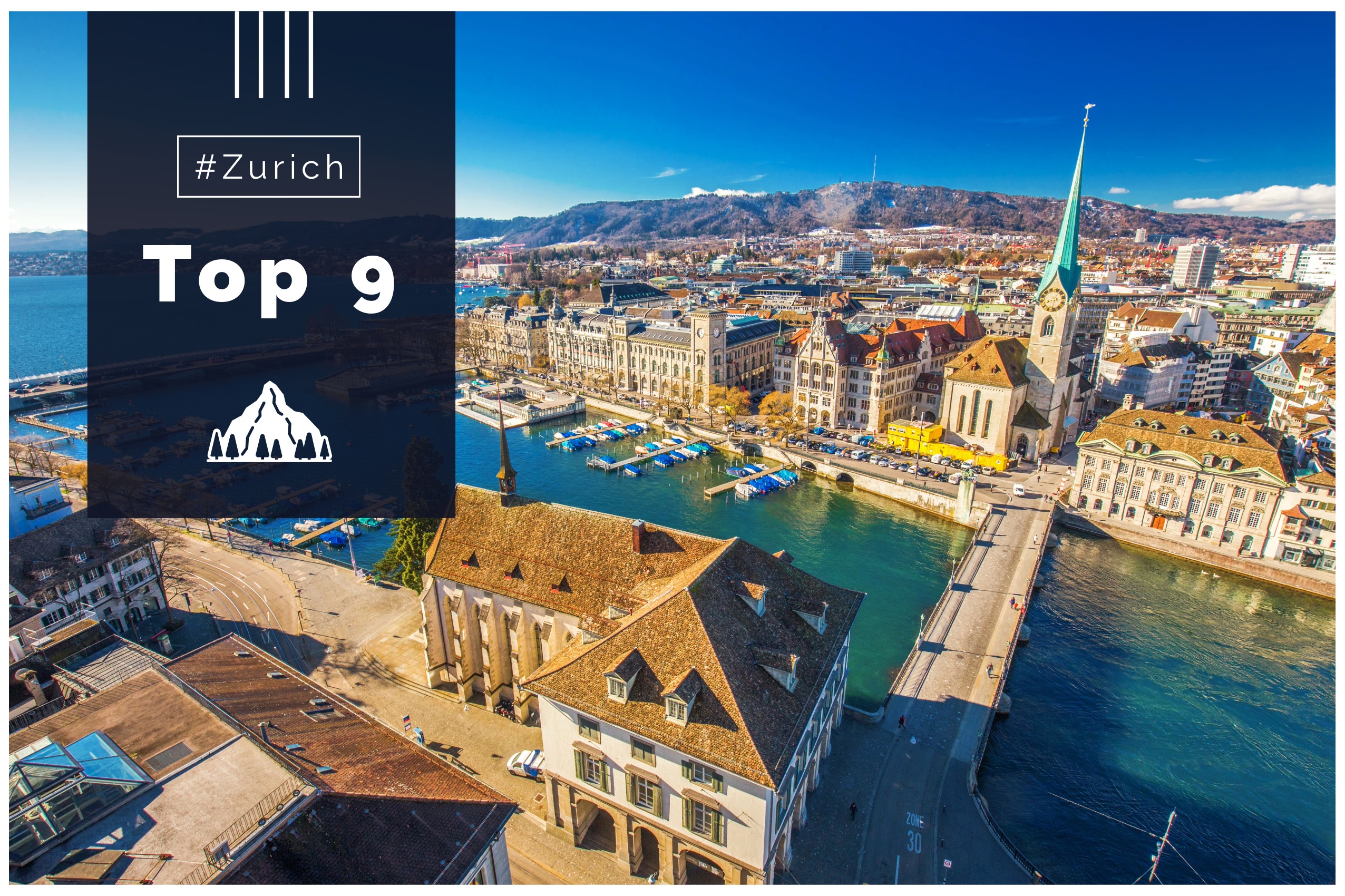
What to do in Zurich? As Switzerland‘s largest city, Zurich is often associated primarily with finance, elegant boutiques, and a very orderly image. Yet, it quickly reveals a much more appealing side than this somewhat austere reputation. Here you’ll discover a charming old town, iconic churches, delightful waterfront promenades, a lake that stretches to the horizon, hills accessible in minutes, and a leading cultural scene. In just a few days, you can go from a stroll through medieval alleyways to a major art museum, from a lake cruise to a panoramic view from the Uetliberg, and then end the day in a lively district along the Limmat River.

Zurich works very well for a sophisticated long weekend, but also as an urban base for discovering a different side of Switzerland. First, here’s a clear FAQ to help you plan your stay, followed by nine must-do experiences to discover the city.
🗒️ Dates, hotels: what you need to know before visiting Zurich
Before we get into things to do in Zurich, here are some useful tips.
What is the best time to visit?
Zurich can be visited year-round, but the most pleasant time is often from April to October. Spring is ideal for strolling through the old town, enjoying the riverbanks, and exploring the museums without the crowds. Summer brings a particularly pleasant atmosphere around the lake, the Limmat River, and the waterfront promenades, with a more open and lively city.
September is often an excellent compromise, as temperatures remain mild and the light is beautiful. Winter can also be appealing thanks to museums, cafes, seasonal markets, and the more intimate atmosphere of the historic center.
How many days should I plan for?
Two days are enough to see the essentials of Zurich: the old town, the Grossmünster, the Fraumünster, Bahnhofstrasse, the lake, and one or two major museums. With three days, the trip becomes more balanced, as you can add the Uetliberg, a lake cruise, or a visit to the Swiss National Museum without rushing.
Four days or more allows you to experience Zurich at a more leisurely pace, alternating between different neighbourhoods, walks, museums, and relaxing on the waterfront. The city is very efficient for a short stay, but it also rewards travellers who take the time to explore it on foot and discover its many facets.
How to get around Zurich easily?
Zurich’s city centre is easily explored on foot, especially the area between the old town, the Limmat riverfront, Bahnhofstrasse, the lake, and several major museums. The public transport network is excellent, with trams, buses, trains, and boats all integrated into a cohesive system. If you’re staying in Zurich, the Zurich Card is often very useful, as it includes second-class public transport within the city and surrounding region, as well as discounts and free entry to several museums. Under these circumstances, a car is generally not very practical for a city break centred around Zurich.
How do I get to the city center from the airport?
Zurich Airport is very well-connected to the city centre. Zurich Airport (Zürich Flughafen) provides quick access to Zurich HB, the main train station, thanks to frequent rail connections. This proximity makes arriving in the city particularly easy, even for a short weekend. Once at Zurich HB, the old town, the hotel districts, and the main tram lines are easily accessible. For a major European city, Zurich offers remarkably seamless access between the airport and the city centre.
Is there a useful pass for visiting the city?
Yes, the Zurich Card is clearly the most useful pass for a tourist trip. It includes unlimited use of second-class public transport in the city and surrounding region, and also grants access to various benefits, including free entry to several museums and discounts on other activities. For a city where museums, trams, local trains, and even boat trips are easily combined, it greatly simplifies planning your stay. For a first visit, it’s often the most practical option.
Where to stay in Zurich + three popular hotels
Staying in the old town or very close to the centre is often the best choice for a first visit. You’ll be near major landmarks, the riverfront, restaurants, and all the main attractions, all within walking distance. The area around the central train station can also be very convenient for exploring the city, especially if you’re arriving by train or planning excursions.
The lakeside area is better suited to those who prefer a more elegant and open atmosphere. The key is to stay well-connected to the tram network, as Zurich is best explored by taking short urban trips.
The Storchen Zurich is highly regarded for its exceptional location on the banks of the Limmat River, in the heart of the old town, offering stunning views of the historic centre. The Widder Hotel will appeal more to those seeking a charming, upscale hotel integrated into several historic buildings in the city center. The Baur au Lac remains a benchmark for a more classic and luxurious rest, close to the lake, Bahnhofstrasse, and the major cultural attractions of the city centre.
Is Zurich an expensive destination?
Yes, Zurich is definitely one of the more expensive urban destinations in Europe, especially when it comes to hotels and restaurants. That said, the city can be managed quite intelligently. Many enjoyable experiences cost little or nothing: walking through the old town, strolling along the Limmat River, admiring the churches, enjoying the lake, climbing to some of the hills, or simply wandering through the central districts. With good planning, the use of the Zurich Card, and a balance between cultural visits and leisurely walks, you can keep your budget under control without missing out on the essentials that make Zurich so appealing.
🔝 What are the must-see things to do in Zurich?
Now let’s get to the heart of the matter and see what there is to do in Zurich. Only the must-sees, of course.
Stroll through the old town between the Limmat River, Lindenhof Gardens and the historic alleyways
If there’s one thing you should do first in Zurich, it’s take the time to stroll through the Altstadt, the old town. It’s here that you best appreciate Zurich’s unique balance between Swiss precision, historical depth, and genuine urban charm. You’ll discover narrow streets, old houses, secluded squares, well-maintained facades, and a city rhythm that remains active without becoming overwhelming. The Lindenhof district deserves special attention, as this small hill offers a delightful view of the Limmat River, the bridges, and the rooftops of the city centre. It’s also an excellent place to pause and take in the city’s geography before continuing your walk.
The appeal of this stroll also lies in the fact that it naturally connects several major landmarks: the Grossmünster, the Fraumünster, the quays, Bahnhofstrasse, and the footbridges over the river. Zurich is not a city that relies solely on a few isolated monuments…

Go up to the Grossmünster and understand the great historical role of the church in the city
The Grossmünster is one of Zurich’s great symbols, and it would be a shame to reduce it to just its twin towers visible from the quays. This former monastery church, traditionally linked to the patron saints Felix and Regula, occupies a central place in the city’s religious and political history.
Its importance is further enhanced by its connection to the Reformation, as Huldrych Zwingli played a major role there in the 16th century. The visit thus allows one to experience Zurich not only as an elegant waterfront destination, but also as a city of debate, spiritual history, and intellectual influence.
When access is possible, the climb up the Karlsturm is definitely worth considering. The 187 steps lead to a viewpoint offering a stunning view of the old town and the lake.

🗺️ What if you stopped in Basel? This charming city has a lot to offer, as this article will show.
Enter the Fraumünster to see Chagall’s stained glass windows and experience another side of Zurich
On the other side of the Limmat River, the Fraumünster offers a perfect counterpoint to the Grossmünster. The church is one of the major landmarks of the historic center, but its appeal lies not only in its location or elegant silhouette. It is best known for its famous stained-glass windows by Marc Chagall, completed in 1970, along with a later rose window. A visit immediately changes the rhythm of the day. You go from the bustling city outside, teeming with trams and pedestrians, to a much quieter interior, where color and light become the essence of the experience.

Walk along Bahnhofstrasse and then head towards the lake to Bürkliplatz
Bahnhofstrasse is one of Zurich’s most famous avenues, and even if you’re not there to shop, it’s definitely worth a stroll. It’s not just a prestigious shopping street, but an urban thoroughfare that seamlessly connects several facets of the city. Starting from the main train station and gradually descending towards the lake, you traverse a wider, more open, and more contemporary Zurich, all while maintaining a pleasant sense of clarity. It’s a great way to experience the transition between the historic heart of the city and the more elegant areas that herald the lake’s shores.
The approach to Bürkliplatz and the quays gives this walk its full meaning. You leave the dense city behind and rediscover the water, the horizon, the docks, and a more open atmosphere. It’s often at this point that Zurich becomes particularly appealing, because it ceases to be just a city with a historic centre and transforms into an elegant and tranquil lakeside city.

Take a cruise on Lake Zurich
Lake Zurich is one of the city’s greatest charms, and it would be a shame to only visit its shores without truly incorporating it into your trip. A cruise, even a short one, offers a different perspective on Zurich. From the water, you gain a better appreciation of the city’s openness, the beauty of its lakefront, and the harmonious balance between architecture, hills, and the Alpine horizon when the weather is clear. Departures from Bürkliplatz are convenient, and several options are available depending on the time you have. This experience immediately adds depth to your journey, giving Zurich a broader, more scenic dimension than the city center alone can provide.
But even without a long boat trip, you have to experience the quays. Sitting by the water, walking along the promenades, watching the boats and the movement of the lake is an integral part of the Zurich experience.

Visiting the Kunsthaus Zürich will give your stay a truly artistic dimension.
Zurich is not just a city of churches, quays, and promenades. It also boasts a leading museum scene, and the Kunsthaus Zürich is one of its major landmarks. For a cultural rest, a visit is practically essential. The museum offers access to a significant collection and a deeper understanding of Zurich’s role in the Swiss and European art world. The museum’s appeal lies as much in the richness of its artworks as in the fact that it offers a different, more intellectual, more inquisitive, and more attentive perspective on the city, one that is more attuned to modern and contemporary art.

Discover the Swiss National Museum right next to the central train station
The Swiss National Museum, located right next to Zurich Airport (Zürich HB), is one of the most interesting places to visit for understanding Zurich within the broader context of Swiss history. Its convenient location already makes it an easy stop to include in a two- or three-day itinerary. But its appeal goes far beyond mere convenience. The institution houses an extensive collection dedicated to the country’s cultural history, from its origins to the present day. This provides a valuable complement to discoveries made in the old town, churches, or central districts.
The visit is particularly relevant if you enjoy understanding the national context in which a major city operates. Zurich is no longer seen simply as an elegant urban destination, but as one of the places from which a part of Swiss history can be read. The building itself adds to the experience, with its historicist castle-like appearance that often surprises visitors arriving from the train station.
Climb up to the Uetliberg to get a bird’s-eye view of the city, the lake and the Alps
Among the things to do in Zurich, climbing the Uetliberg is one of the most effective ways to understand the city within its natural surroundings. This hill, easily accessible by public transport, offers a real change of scale. After the narrow streets of the city centre, the bridges, and the museums, you suddenly find yourself with a much broader view of Zurich, the lake, and, on a clear day, the Alps in the distance. It’s an excursion that works particularly well when you want to balance an urban stay with a more scenic experience, without leaving the city for too long.

Visit the FIFA Museum for a more fun and very accessible museum experience.
The FIFA Museum is a great option for experiencing different atmospheres during a stay in Zurich. Located on Tessinerplatz, in the heart of the city, it offers a departure from the more traditional routes focused on churches, the old town, or fine arts. Its theme, of course, immediately resonates with football fans, but the visit isn’t just for them. The museum also emphasizes an accessible, engaging, and more immersive approach, making it a pleasant stop for those who want a change of pace between more heritage-focused visits. In a multi-day itinerary, it provides a welcome respite.
The location is also convenient. It’s easily accessible, works well even during limited hours, and offers free entry with the Zurich Card. This makes it a good place to visit, depending on the weather or the pace of your stay.
End the day by the Limmat river or in a lively district like Zurich-West
Zurich is best experienced at the end of the day. As the light fades, the Limmat riverbanks, bridges, terraces, and livelier neighbourhoods reveal a more relaxed, warmer, and sometimes unexpected side than one might imagine before arriving. Staying near the river allows you to naturally extend your walks through the old town. You watch the locals go by, feel the urban pace slow down, and enjoy a simple yet striking setting of water, facades, and soft light. It’s often in these moments that Zurich truly becomes captivating.
Those who want to extend the evening can also head to a more lively area, such as Zürich-West, which represents another facet of the city, more contemporary and more creative.

There you have it! We hope this list of things to do in Zurich has helped you plan your Swiss trip. Have a wonderful trip!